
 402-810-8091
What to Do With a House Full of Unwanted Furniture, Junk, or Personal Belongings Before Selling
Trying to sell a house is hard enough. It gets even harder when the property is still full of furniture, boxes, trash, old clothes, broken appliances, or years of personal belongings. For many homeowners, this is one of the biggest reasons a sale gets delayed.
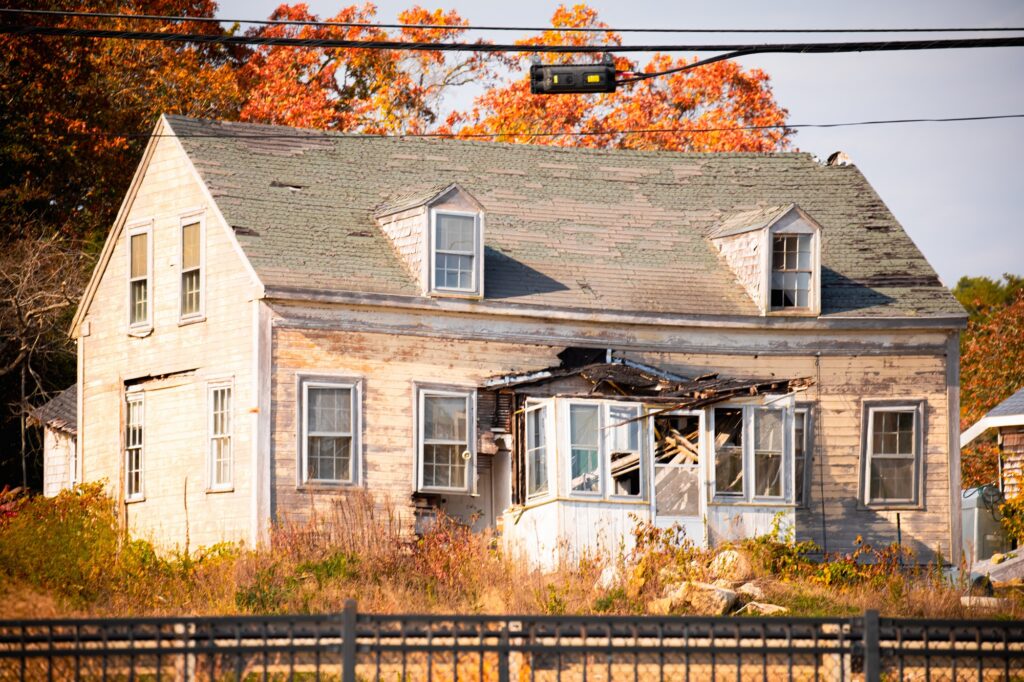
You may be dealing with a house after a family death. You may have moved out years ago and left things behind. You may be helping a parent downsize. You may have had a tenant leave a mess. Or maybe life got busy and the property slowly turned into a storage space that never got cleared out.
If that sounds familiar, you are not alone. A lot of people in Omaha, NE face the same problem. The good news is that you do have options. You do not need to panic, and you do not need to figure everything out in one weekend.
Here is how to think through the process and decide what to do next.
Start With One Honest Question
Before you rent a dumpster, call a junk company, or start hauling furniture out the front door, ask yourself one simple question:
Do I actually need to empty this house before selling it?
A lot of homeowners assume the answer is yes. They think they have to clean out every room, patch every wall, mop every floor, and make the property look perfect before talking to anyone about selling. That is not always true.
If you plan to list the house with an agent and market it to traditional buyers, then a cleanout usually matters. Buyers want clean rooms, empty spaces, and a house that shows well. Too much clutter can make the home feel smaller, darker, and harder to picture.
But if you are thinking about selling directly to a local cash buyer, you may not need to remove everything first. Some buyers will purchase houses as-is, even if they still contain unwanted items.
That is why your first step is not always cleanup. Your first step is deciding what kind of sale makes the most sense for your situation.
Why Houses End Up Full in the First Place
People often feel embarrassed when a property is packed with stuff. There is no reason to feel that way. Houses fill up for all kinds of real-life reasons.
Here are a few common ones:
- A loved one passed away and left behind decades of belongings
- A tenant moved out and abandoned furniture and trash
- The homeowner moved quickly and never came back for everything
- The house became a storage place for family members
- Health issues made cleanup too hard
- The owner lives out of state and cannot handle the work alone
- The property has been vacant for years
This is more common than most people think. It does not mean you are lazy or irresponsible. It means life happened.
Sort the Contents Into Simple Categories
If you do decide to go through the house, do not overcomplicate it. You do not need a perfect system. You just need a manageable one.
A simple way to start is to sort items into five groups:
- Keep: These are the items you know you want to keep. Important documents, family photos, jewelry, heirlooms, financial records, and sentimental pieces belong here.
- Donate: This includes furniture, clothing, kitchen items, books, and household goods that are still usable.
- Sell: If there are valuable items in the house, you may want to sell them. This could include antiques, tools, collectibles, appliances, or quality furniture.
- Trash: Broken, expired, stained, unsafe, or unusable items go here.
- Unsure: This category helps prevent decision fatigue. If you stop to debate every box, the process slows to a crawl. Put questionable items in an unsure pile and come back later.
This simple system helps you make progress without getting stuck.
Look for Important Papers Before Anything Gets Tossed
Before you start hauling things out, spend time checking for paperwork and valuables. This step matters more than people realize.
Look for things like:
- Birth certificates
- Deeds
- Tax returns
- Bank records
- Insurance papers
- Wills or trust documents
- Vehicle titles
- Military records
- Photo albums
- Jewelry
- Cash hidden in drawers or books
- Keys
- Password notebooks
- Safe deposit information
A rushed cleanout can lead to regret. Even if the house is full of junk, slow down long enough to protect anything important.
Decide Whether You Want to Clean It Out Yourself
Some people want to handle the cleanout on their own. Others want no part of it. Both choices are fine.
Cleaning it out yourself may make sense if:
- You live nearby
- The house is not too full
- You have help from family or friends
- You want to sort through personal items carefully
- You plan to donate or sell some of the contents
It may not make sense if:
- You live out of state
- The property is packed floor to ceiling
- The house has odors, pests, or damage
- You are physically unable to do the work
- The emotional stress feels too heavy
- You need to sell quickly
Be realistic about your time, energy, and emotional bandwidth. A house cleanout can take much longer than people expect.
Consider Professional Help
If the house is overwhelming, professional help may be the smartest move.
Depending on the situation, that could include:
- Junk Removal Companies: They haul away furniture, trash, bags, and unwanted items quickly.
- Estate Sale Companies: These can help if the house contains furniture, antiques, collectibles, or household items with resale value.
- Cleanout Crews: These services help empty homes after a death, tenant move-out, or hoarding situation.
- Donation Pickup Services: Some charities will pick up usable furniture or household goods.
- Local Cash Buyers: Some direct buyers will purchase the house as-is, even with items still inside.
The right option depends on the condition of the property and how quickly you want to move.
Be Careful With Sentimental Pressure
A house full of belongings often comes with emotional weight. This is especially true when the property belonged to a parent, grandparent, or other loved one.
People sometimes freeze because every item feels important. A lamp reminds them of childhood. A dresser belonged to a grandparent. A stack of dishes brings back family memories.
That is normal. But keeping everything is usually not realistic.
You do not have to save every object to honor a memory. Sometimes, taking photos of certain items, choosing a few meaningful keepsakes, and letting the rest go is enough.
If the process feels emotional, set time limits. Work for a few hours, then step away. You do not need to finish it all at once.
What if the House Is Too Far Gone?
Sometimes a property is not just cluttered. It is overloaded. Rooms may be packed. There may be food waste, odors, broken furniture, animal damage, or years of neglect. In those cases, a normal cleanout may feel impossible.
If that is where things stand, do not assume the house cannot be sold.
A lot of sellers in Omaha, NE deal with houses in rough condition. Some are inherited. Some come from bad tenants. Some were simply ignored for too long. A local cash buyer may still be willing to buy the property as-is, without requiring you to empty everything first.
That can save a huge amount of stress, especially if you do not have the time or resources to fix the situation.
Think About Your End Goal
It helps to ask yourself what you really want from the sale.
Do you want to get the house cleaned out, repaired, and ready for a traditional listing?
Or do you want the easiest path out, even if that means skipping the cleanup and selling as-is?
There is no universal right answer. It depends on your timeline, your energy, the condition of the house, and how much work you are willing to take on.
If the property is lightly cluttered and you have time, a full cleanout might make sense.
If the house is full, damaged, emotionally difficult, or holding up your next step in life, a direct sale may be the better option.
A Simple Step-by-Step Plan
If you feel overwhelmed, use this basic plan:
- Step 1: Walk the Property: Do a quick walk-through and get honest about the condition. Is this manageable, or is it more than you want to deal with?
- Step 2: Remove Personal Records and Valuables: Take out paperwork, family photos, valuables, and anything sentimental first.
- Step 3: Decide on the Selling Path: Choose whether you want to list it traditionally or explore an as-is sale.
- Step 4: Get Help if Needed: Call family, junk haulers, estate sale pros, or a direct buyer, depending on the situation.
- Step 5: Do Not Let Delay Cost You More Time: The longer a full house sits, the more stress it often creates. Waiting usually does not make the job easier.
Why Many Sellers Choose an As-Is Sale
For many homeowners, the biggest relief comes from realizing they do not have to do everything themselves.
A direct cash sale can make sense when:
- The house is packed with unwanted belongings
- You do not want to sort through everything
- The property has damage
- You need to sell quickly
- You live out of town
- The house belonged to a relative
- You want to avoid showings and prep work
Instead of spending weeks or months cleaning, donating, hauling, and repairing, you may be able to sell the property in its current state and move on.
That option is not right for every seller, but it is often the right fit for people who value simplicity and speed.
Do Not Let the Stuff Keep You Stuck
The biggest mistake many homeowners make is doing nothing because the house feels too overwhelming. They know it needs attention, but the thought of clearing it out keeps them frozen in place.
That delay can drag on for months or even years.
The important thing to remember is this: the belongings inside the house do not have to control your next step. You can sort them. You can donate them. You can hire help. You can sell the property as-is. You have more than one option.
If the house is full of unwanted furniture, junk, or personal belongings, the best next move is usually the one that gets you unstuck. That may mean rolling up your sleeves and starting the cleanout. Or it may mean talking with a local buyer who can take the property as it sits.
Either way, you do not have to keep carrying the burden alone.
FAQs
Do I have to empty a house before selling it in Omaha, NE?
No, not always. If you plan to list with an agent, cleanup usually helps. If you sell to a direct cash buyer, you may be able to sell the house as-is with items still inside.
What should I remove first from a cluttered house before selling?
Start with personal documents, family photos, financial records, jewelry, and anything sentimental or valuable. Those items should come out before anything gets donated or hauled away.
Can I sell a house in Omaha, NE if a tenant left furniture and trash behind?
Yes. Many sellers deal with leftover belongings after a tenant moves out. Some buyers will still purchase the property in its current condition.
What if the house is too overwhelming to clean out myself?
You can bring in junk removal crews, estate sale companies, donation services, or talk with a buyer who purchases homes as-is. You do not have to handle everything alone.
Will Beard Bros Buy Houses Cash buy a house that still has unwanted belongings inside?
Yes. Beard Bros Buy Houses Cash works with homeowners in Omaha, NE who need a simple way to sell, even when the property still has furniture, junk, or personal items inside.
If you need to sell a house in Omaha, NE that is still packed with furniture, junk, or personal belongings, Beard Bros Buy Houses Cash can help make the process easier. We buy houses as-is and work with sellers who want a simpler path forward without cleaning out every room first. Call 402-810-8091 to talk through your options.